
cadmatix

How CAD Technology Is Transforming the Construction Industry in 2026

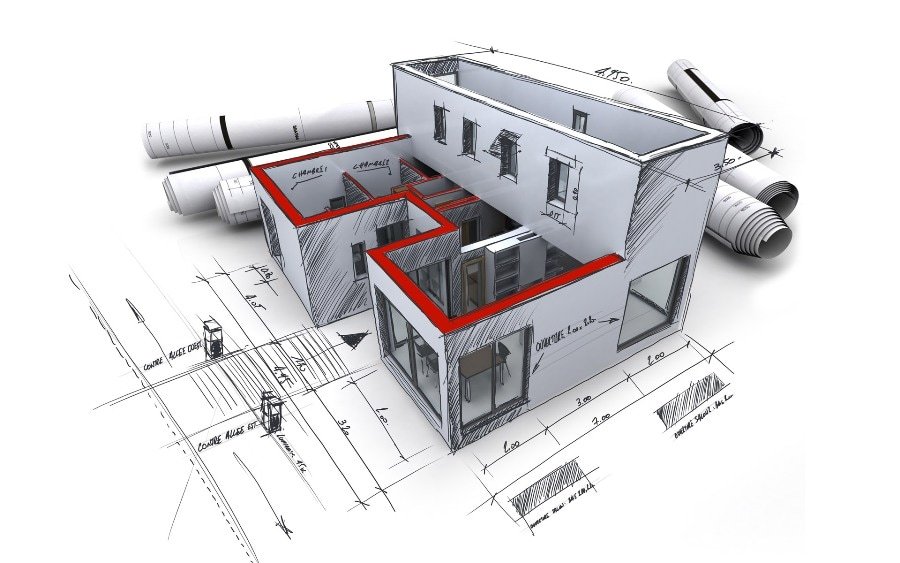
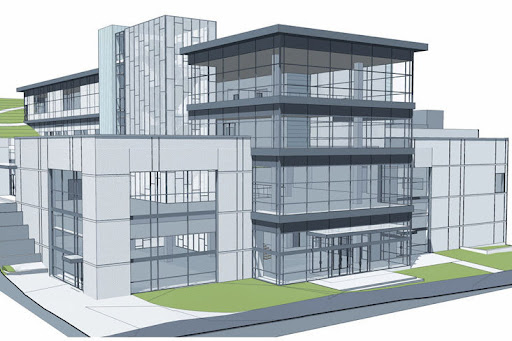
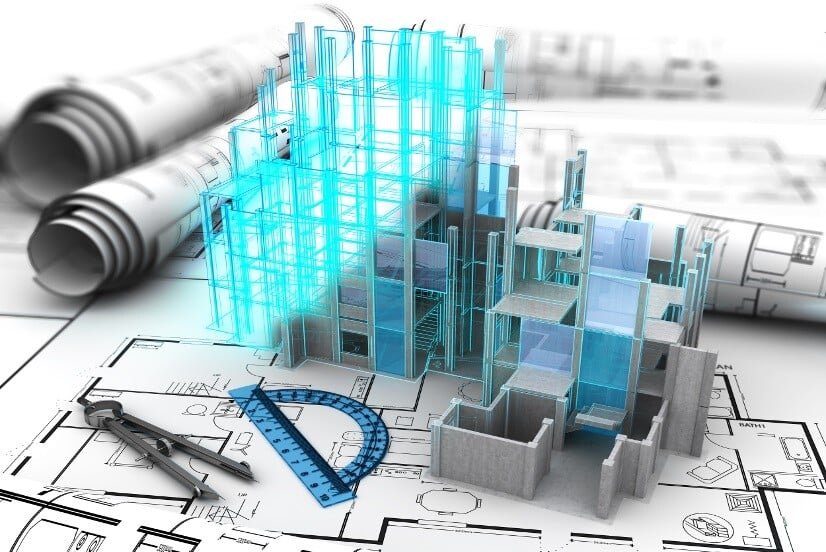
The construction industry is evolving faster than ever, driven by technological innovation, increasing project complexity, and growing demands for efficiency. One of the most significant advancements shaping modern construction is Computer-Aided Design (CAD) technology. From concept development to final construction, CAD has become an essential tool for architects, engineers, consultants, and contractors worldwide. In 2026, the role of CAD technology continues to expand, helping organizations improve accuracy, reduce costs, and deliver projects more efficiently. Traditionally, technical drawings were created manually, requiring extensive time and effort to produce and revise plans. Any design modification often meant redrawing entire sections of a project, increasing the risk of errors and delays. CAD technology has transformed this process by allowing professionals to create, modify, and manage drawings digitally. This not only speeds up the design process but also improves precision and consistency throughout a project’s lifecycle. One of the greatest advantages of CAD technology is accuracy. Construction projects depend heavily on precise measurements and technical details. Even minor mistakes in drawings can result in costly delays, material waste, and structural issues. CAD software enables engineers and designers to create highly detailed drawings with exact dimensions, ensuring that every component of a project is represented correctly. This level of accuracy significantly reduces the risk of errors during construction. CAD technology also enhances collaboration among project stakeholders. Modern construction projects involve multiple teams, including architects, structural engineers, MEP consultants, contractors, and project managers. By using standardized digital drawings, teams can share information efficiently and work from the same set of project data. This improves communication, reduces misunderstandings, and helps ensure that all disciplines remain aligned throughout the project. Another major benefit is the ability to visualize projects before construction begins. Advanced CAD software allows professionals to create realistic 2D and 3D models that provide a clear representation of the final structure. Clients can better understand the design, review layouts, and request modifications before construction starts. This early visualization helps identify potential issues and improves decision-making during the planning phase. The integration of CAD with Building Information Modeling (BIM) has further revolutionized the construction industry. BIM enables project teams to create intelligent digital models containing detailed information about building components, systems, and materials. CAD drawings serve as the foundation for BIM workflows, allowing teams to detect clashes, optimize designs, and improve project coordination before work begins on-site. This proactive approach reduces rework and contributes to smoother project execution. Sustainability is another area where CAD technology is making a significant impact. As governments and organizations increasingly prioritize energy-efficient and environmentally responsible buildings, CAD tools help designers evaluate building performance during the planning stage. Engineers can analyze factors such as energy consumption, lighting efficiency, ventilation, and material usage to create more sustainable structures. These capabilities support green building initiatives while helping clients reduce long-term operating costs. Cost control remains a critical concern for developers and contractors. CAD technology contributes to better budgeting by providing accurate technical documentation and quantity calculations. Detailed drawings enable precise material estimation, reducing waste and improving procurement planning. By identifying potential challenges early, project teams can avoid unexpected expenses and maintain greater control over project budgets. The construction sector in the UAE continues to embrace digital transformation, making CAD technology more important than ever. Large-scale developments, smart city initiatives, and infrastructure projects require advanced design solutions that support efficiency and innovation. Organizations that invest in professional CAD services gain a competitive advantage by improving project quality, reducing risks, and accelerating delivery timelines. At CADMATIX ENGINEERING WORKS L.L.C, we understand the vital role that CAD technology plays in modern construction. Our team provides professional CAD drafting, architectural drawings, engineering documentation, geographical mapping, product design, and energy-efficient building solutions tailored to the needs of today’s construction industry. We are committed to delivering accurate, high-quality technical drawings that support successful project outcomes and long-term client satisfaction. As construction projects continue to grow in scale and complexity, CAD technology will remain a cornerstone of the industry. Its ability to improve accuracy, collaboration, visualization, and sustainability makes it an indispensable tool for modern engineering and construction professionals. Businesses that embrace advanced CAD solutions today will be better positioned to meet the challenges and opportunities of tomorrow’s construction landscape.
How Engineering Design Services Improve Construction Efficiency

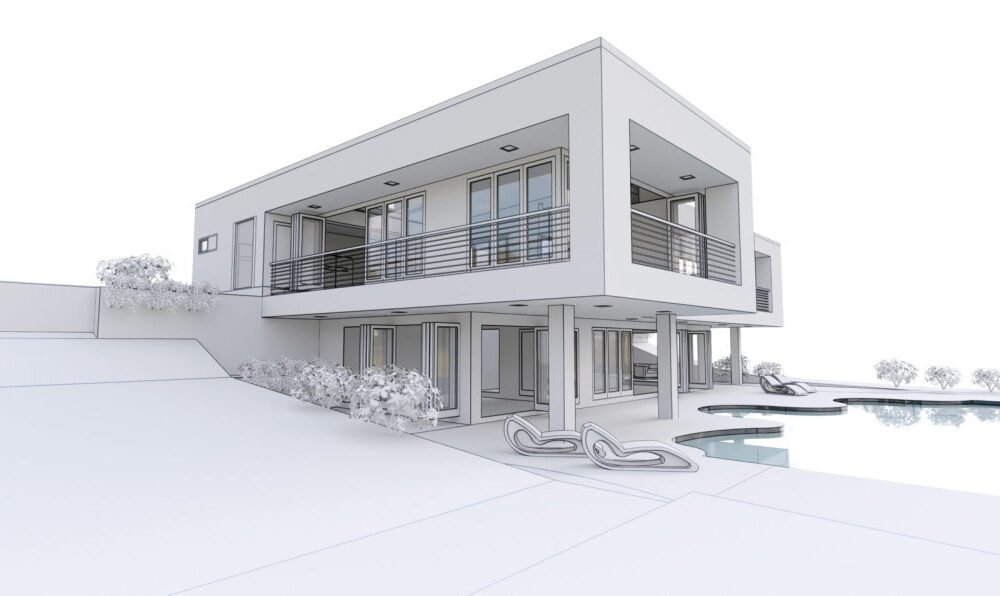
Construction efficiency is one of the most important factors in successful project delivery. Delays, miscommunication, and technical errors can significantly impact budgets and timelines. Engineering design services help solve these challenges by improving project planning, coordination, and technical accuracy. Modern engineering companies use advanced CAD software and technical expertise to create reliable construction documentation that supports efficient project execution. Understanding Engineering Design Services Engineering design services involve creating technical plans, layouts, calculations, and drawings for construction and infrastructure projects. These services support architects, contractors, consultants, and developers by ensuring projects are technically feasible and compliant with industry standards. Engineering design services may include: CAD drafting Structural detailing Mechanical design Electrical layouts Architectural planning Product design Geographical mapping Why Efficiency Matters in Construction Construction projects involve multiple teams working simultaneously. Without proper coordination, projects can experience delays, budget increases, and operational issues. Efficient engineering design reduces these risks by providing clear technical guidance from the start. Key Benefits of Engineering Design Services Reduced Errors Professional engineering drawings reduce technical mistakes and improve project accuracy. Faster Decision-Making Clear technical documentation helps project teams make informed decisions quickly. Better Resource Management Accurate planning improves material usage and reduces waste. Improved Safety Engineering designs help ensure compliance with safety standards and regulations. Stronger Collaboration Design documentation improves communication between project stakeholders. Digital Engineering and Modern Technology Modern engineering firms use advanced software tools to improve drafting accuracy and project management. Digital workflows allow faster revisions, better visualization, and improved design coordination. Technologies such as 3D modeling and BIM are also helping engineering teams optimize construction planning. Engineering Design in the UAE The UAE’s rapidly expanding infrastructure and real estate sectors require high-quality engineering support. Professional engineering companies play an important role in helping developers complete projects efficiently while maintaining international standards. From commercial towers to residential developments, engineering design services are essential for modern construction success. Conclusion Engineering design services are critical for improving construction efficiency, reducing project risks, and enhancing technical accuracy. Businesses that invest in professional engineering solutions benefit from stronger project coordination, faster execution, and better overall results. As construction demands continue to grow in the UAE, engineering design services will remain essential for delivering successful projects on time and within budget.

The Role of Architectural Drawings in Successful Building Design

Architectural drawings are the foundation of every successful building project. Whether it is a residential villa, commercial office, retail space, or industrial facility, every structure begins with detailed technical planning. Architectural drawings help transform concepts into practical, buildable designs. These drawings guide architects, engineers, contractors, and project owners throughout every stage of construction. In the UAE’s growing real estate and infrastructure industry, accurate architectural drafting has become increasingly important for ensuring efficient project execution and regulatory compliance. What Are Architectural Drawings? Architectural drawings are technical representations of buildings and structures. They include floor plans, elevations, sections, layouts, and construction details. These drawings communicate important information such as dimensions, materials, structural elements, electrical systems, and space planning. Architectural drawings help ensure that all stakeholders understand the design vision before construction begins. Types of Architectural Drawings Floor Plans Floor plans show the arrangement of rooms, walls, doors, windows, and spaces within a building. Elevation Drawings Elevations display the exterior appearance of a building from different sides. Section Drawings Section drawings provide vertical cut-through views that reveal structural and interior details. Site Plans Site plans show the relationship between the building and its surrounding environment. Detail Drawings These drawings focus on specific construction elements for better technical clarity. Benefits of Professional Architectural Drafting Better Visualization Architectural drawings help clients visualize the final project before construction begins. Improved Project Coordination Clear technical drawings improve communication between architects, engineers, and contractors. Reduced Construction Errors Detailed plans minimize misunderstandings and reduce costly mistakes during construction. Faster Approvals Well-prepared drawings help speed up municipality approvals and project permits. Enhanced Project Efficiency Accurate planning improves workflow efficiency and project scheduling. The UAE Construction Industry and Architectural Design The UAE continues to lead major construction developments across residential, commercial, and infrastructure sectors. With increasing competition in the real estate market, developers require high-quality architectural solutions that combine aesthetics, functionality, and sustainability. Engineering firms that provide professional architectural drafting services help clients meet modern building standards while maximizing project performance. The Importance of Detail and Compliance Building regulations and construction standards play a critical role in project success. Professional drafting teams ensure all drawings align with industry requirements and municipality regulations. This helps reduce project risks and ensures smoother approval processes. Conclusion Architectural drawings are essential tools for successful building design and construction. They provide the technical foundation needed for planning, coordination, and execution. Businesses and developers that invest in professional architectural drafting services gain better project control, improved communication, and more efficient construction outcomes. As the UAE construction industry continues to evolve, high-quality architectural design services will remain a key factor in delivering successful projects.

Why Professional CAD Drawings Are Essential for Modern Construction Projects

In today’s fast-moving construction industry, accuracy and planning are more important than ever. A single mistake in measurements, layouts, or technical documentation can lead to project delays, budget overruns, and operational issues. This is where professional CAD drawings play a major role. Computer-Aided Design, commonly known as CAD, has transformed the way architects, engineers, and contractors plan and execute projects. From residential developments to commercial towers and industrial facilities, CAD drawings provide the technical clarity required for successful project execution. Professional CAD services help businesses improve communication, reduce design errors, and streamline construction workflows. Companies across the UAE are increasingly relying on engineering design specialists to create highly accurate technical drawings that meet international standards. The Importance of CAD in Construction CAD drawings are digital technical drawings used to represent buildings, systems, and engineering designs with precision. These drawings are essential because they allow all stakeholders to understand project requirements before physical work begins. With accurate CAD drawings, contractors can identify possible conflicts early, optimize space utilization, and reduce unnecessary material waste. Engineers can also verify compliance with local regulations and safety requirements. Modern construction projects involve multiple teams working together, including architects, structural engineers, MEP consultants, contractors, and project managers. CAD drawings create a common visual language that improves coordination between all departments. Benefits of Professional CAD Services 1. Improved Accuracy Professional CAD drafting reduces manual drawing errors. Digital designs can be edited, reviewed, and refined efficiently before project execution begins. 2. Better Communication Detailed drawings improve communication between clients, contractors, and consultants. Everyone involved in the project can clearly understand dimensions, layouts, and technical specifications. 3. Faster Project Completion CAD software allows engineers and designers to complete revisions quickly. Faster approvals and design modifications help reduce project timelines. 4. Cost Savings Accurate technical drawings minimize material waste and prevent expensive construction errors. This helps companies manage budgets more effectively. 5. Regulatory Compliance Professional engineering drawings help ensure compliance with UAE building standards and industry regulations. CAD Applications Across Industries CAD technology is used across many sectors, including: Architectural design Structural engineering Mechanical engineering Product design Infrastructure development Urban planning Interior design Geographical mapping In the UAE, where large-scale developments continue to grow rapidly, CAD services have become a critical part of successful project delivery. Why Businesses Choose Professional Engineering Companies Businesses prefer working with experienced engineering design firms because they offer technical expertise, industry knowledge, and precision-driven workflows. A professional engineering company understands the importance of detailed documentation and quality control. Every drawing is reviewed carefully to ensure technical accuracy and project feasibility. Companies that invest in professional CAD solutions are better positioned to complete projects efficiently while maintaining high standards of quality. Conclusion Professional CAD drawings are no longer optional in modern construction. They are essential tools that improve project accuracy, coordination, efficiency, and compliance. As the UAE construction sector continues to expand, engineering and design companies that deliver reliable CAD solutions will remain key partners in successful project development. Businesses looking to improve project performance should prioritize working with experienced CAD professionals who understand the technical demands of modern engineering

UAE Engineering & Construction Trends in 2026: Why Precision CAD Services Are More Important Than Ever

As the UAE continues to expand its position as a global hub for innovation, infrastructure, and smart city development, the engineering and construction sector is experiencing rapid transformation in 2026. From high-rise commercial developments to sustainable residential communities and advanced industrial projects, the demand for precision, speed, and compliance has never been greater. In this evolving landscape, professional CAD services, architectural drafting, and energy-efficient engineering solutions are becoming essential tools for project success. Companies across the UAE are now prioritizing technical accuracy and smarter planning to stay competitive, reduce risks, and meet modern building standards. The UAE’s Construction Boom Is Driving Demand for Advanced Engineering Solutions The UAE remains one of the most active construction markets in the world. Mega projects, urban development, infrastructure expansion, and smart technology integration are shaping cities like Dubai, Abu Dhabi, Sharjah, and beyond. In 2026, industry trends show increased focus on: Sustainable building practices Smart city infrastructure Green architecture Faster project approvals Compliance with updated engineering regulations Digitally integrated construction planning This growth means developers, architects, and contractors require highly accurate technical drawings and engineering documentation before breaking ground. Why CAD Services Are Critical for Modern Construction Projects Computer-Aided Design (CAD) is no longer just a drafting tool—it is a strategic requirement for precision engineering. As projects become more complex, CAD services provide the technical backbone needed to reduce errors, improve collaboration, and optimize execution. Key Benefits of Professional CAD Services: 1. Precision and Accuracy Detailed CAD drawings reduce costly construction mistakes and improve project clarity from concept to execution. 2. Faster Decision-Making Architects, engineers, and developers can review plans quickly, make revisions efficiently, and streamline approvals. 3. Improved Compliance The UAE’s construction regulations continue to evolve, making accurate technical planning essential for legal and operational success. 4. Cost Efficiency Well-structured CAD planning reduces material waste, design conflicts, and project delays. Architectural Drawings Are Becoming More Strategic In 2026, architectural drawings are no longer limited to visual plans. They are now integrated into broader project ecosystems that include sustainability metrics, digital modeling, and long-term operational planning. Professional architectural drafting supports: Residential villas Commercial towers Industrial facilities Retail developments Urban planning projects By combining visual clarity with technical precision, companies can create smarter buildings while maintaining safety and compliance. Sustainability Is Reshaping Engineering Priorities Energy-efficient building solutions are one of the biggest trends in the UAE this year. Government initiatives and market demand are pushing businesses toward eco-conscious construction strategies. Modern engineering companies are helping clients achieve this through: Optimized building orientation Energy-saving layouts Efficient HVAC integration Material optimization Environmental compliance support Sustainable engineering not only supports the planet—it also improves long-term operational savings for property owners and investors. Geographical Mapping and Product Design Are Expanding Opportunities As infrastructure projects become larger and more data-driven, geographical mapping is playing a major role in site analysis, urban development, and project planning. At the same time, product design services are helping industries innovate by transforming concepts into practical technical solutions. This combination of engineering, design, and technical planning allows companies to diversify services while remaining competitive in a changing market. The Role of CADMATIX ENGINEERING WORKS L.L.C in Today’s Industry For UAE businesses seeking dependable technical support, CADMATIX ENGINEERING WORKS L.L.C represents a precision-focused engineering partner aligned with modern industry needs. By offering: Professional CAD services Architectural drawings Geographical mapping Product design Energy-efficient building solutions CADMATIX supports developers, consultants, architects, and construction professionals with services designed to meet today’s engineering challenges. Their focus on detail, clarity, and compliance makes them an essential resource for projects that demand technical excellence. What Businesses Should Prioritize in 2026 To remain competitive in the UAE’s growing engineering sector, businesses should focus on: Technical Accuracy Poor planning leads to delays, costs, and legal issues. Digital Transformation Modern CAD and design systems improve speed and efficiency. Sustainability Green building is now a competitive advantage. Collaboration Clear technical documentation improves project coordination. Compliance Meeting UAE standards is essential for project approval. Final Thoughts The UAE’s engineering and construction industry is entering a smarter, faster, and more sustainable era in 2026. Precision CAD services, architectural drafting, and advanced technical planning are no longer optional—they are essential for success. As competition increases and project demands grow, companies that invest in accurate engineering solutions will be better positioned to deliver successful projects, maintain compliance, and maximize profitability. For developers, architects, and construction professionals looking to thrive in today’s market, partnering with a precision-driven engineering company like CADMATIX ENGINEERING WORKS L.L.C can make the difference between ordinary execution and exceptional project success. In a future built on innovation, precision remains the true foundation.

CADMATIX ENGINEERING WORKS L.L.C: Precision-Driven CAD & Engineering Solutions Powering Modern Construction in the UAE

In today’s rapidly evolving construction and infrastructure landscape, precision is no longer optional—it is essential. Every successful project, whether residential, commercial, or industrial, begins with accurate technical planning, detailed architectural drawings, and reliable engineering solutions. This is where CADMATIX ENGINEERING WORKS L.L.C stands out as a trusted UAE-based engineering and design company committed to delivering excellence through advanced CAD services, architectural drafting, and energy-efficient building solutions. At CADMATIX ENGINEERING WORKS L.L.C, engineering is more than design—it is the foundation of successful project execution. By working closely with developers, consultants, architects, and construction professionals, the company ensures that every project is supported by technically accurate drawings, innovative solutions, and industry-compliant documentation. Why Precision Matters in Engineering and Construction The construction industry relies heavily on clear technical communication. A minor error in design or drafting can lead to project delays, budget overruns, compliance issues, or structural inefficiencies. That’s why precision in Computer-Aided Design (CAD) has become a critical component of modern engineering. CADMATIX understands that each line, measurement, and specification carries importance. Their services are built around delivering: Accurate CAD drafting Architectural drawings Geographical mapping Product design solutions Building visualization Energy-efficient design support By focusing on detail, clarity, and technical compliance, CADMATIX helps reduce project risks while improving operational efficiency for clients.Professional CAD Services Designed for Modern Projects Computer-Aided Design has transformed the way engineering and construction projects are planned. CADMATIX ENGINEERING WORKS L.L.C provides advanced CAD services that support everything from conceptual development to final project execution. Their CAD solutions help clients by: 1. Improving Design Accuracy Technical precision ensures every drawing reflects exact measurements and specifications, minimizing errors before construction begins. 2. Supporting Faster Project Delivery Detailed and organized CAD documentation allows teams to streamline approvals, revisions, and implementation. 3. Enhancing Collaboration Clear technical drawings improve communication between architects, engineers, contractors, and project managers. 4. Ensuring Industry Compliance Projects in the UAE require strict adherence to engineering and construction standards. CADMATIX prioritizes compliance in every stage of the design process. Architectural Drawings That Build Confidence Architectural drawings are the blueprint of every successful building project. Whether for residential developments, commercial properties, or industrial facilities, CADMATIX delivers architectural plans that balance functionality, compliance, and innovation. Their expertise includes: Floor plans Elevation drawings Section drawings Site layouts Interior technical plans Construction detailing These solutions empower clients to visualize projects clearly while ensuring construction teams have the technical guidance needed for accurate implementation. Energy-Efficient Building Solutions for Sustainable Development As sustainability becomes a global priority, energy-efficient design is increasingly shaping the future of engineering. CADMATIX recognizes the importance of integrating environmentally responsible strategies into technical planning. Their energy-efficient building solutions focus on: Optimized building layouts Sustainable material planning Reduced energy consumption Efficient system integration Smart design recommendations By supporting sustainable engineering practices, CADMATIX not only contributes to environmental responsibility but also helps clients reduce long-term operational costs. Geographical Mapping and Product Design Expertise Beyond construction drawings, CADMATIX also offers specialized technical services in geographical mapping and product design. These solutions are valuable for industries requiring advanced planning, technical analysis, and visualization. Geographical Mapping: Precise mapping services support land development, infrastructure planning, and spatial analysis. Product Design: Technical product development services help transform ideas into practical, functional, and production-ready designs. This broader engineering capability makes CADMATIX a versatile technical partner across multiple industries. A Client-Focused Approach to Engineering Excellence One of CADMATIX ENGINEERING WORKS L.L.C’s strongest advantages is its collaborative approach. The company works directly with: Developers Architects Consultants Construction firms Design professionals By understanding client-specific project goals, timelines, and technical requirements, CADMATIX ensures every service adds measurable value. Their commitment is not simply to deliver drawings—but to support project success through technical reliability. Why Businesses Choose CADMATIX ENGINEERING WORKS L.L.C In a competitive engineering environment, businesses need partners they can trust. CADMATIX stands out because of its: Precision: Every detail matters, and accuracy remains a top priority. Professionalism: Industry-standard processes ensure quality and consistency. Compliance: Technical outputs align with regulatory and engineering standards. Innovation: Modern CAD tools and design strategies improve project outcomes. Reliability: Clients receive dependable support from concept to completion. Building the Future with CADMATIX Engineering and design are at the core of modern development, and CADMATIX ENGINEERING WORKS L.L.C continues to position itself as a dependable force in the UAE’s technical services sector. Through professional CAD solutions, architectural drafting, energy-efficient strategies, and technical precision, the company helps shape projects that are efficient, compliant, and future-ready. For businesses seeking accurate engineering support, CADMATIX represents more than a service provider—it is a strategic technical partner dedicated to transforming ideas into successful realities. When precision, compliance, and technical excellence matter, CADMATIX ENGINEERING WORKS L.L.C delivers.

Meeting UAE and International Energy Efficiency Standards

Energy efficiency standards play a critical role in shaping modern construction practices. Compliance with both local and international standards ensures that buildings are safe, sustainable, and economically viable. Understanding Energy Efficiency Regulations Energy regulations define minimum performance requirements for building systems. These standards guide design decisions related to insulation, cooling, lighting, and energy consumption. Aligning Design with Compliance Requirements Energy efficiency services ensure that building designs meet regulatory benchmarks from the early stages. This reduces approval delays and compliance risks. Supporting Sustainable Development Goals Compliance with energy standards supports national sustainability initiatives and global environmental objectives. Improving Market Acceptance Buildings that meet recognized energy standards are more attractive to investors, tenants, and regulatory authorities. Conclusion Meeting energy efficiency standards is essential for successful modern developments. Professional energy efficiency services ensure compliance, performance, and long-term value.

Retrofitting Existing Buildings for Better Energy Performance

Not all buildings are designed with modern energy efficiency standards in mind. Retrofitting existing buildings offers an effective way to improve energy performance without the need for complete reconstruction. Understanding Building Energy Audits The retrofit process begins with an energy audit that evaluates current building performance. This assessment identifies energy losses, inefficient systems, and improvement opportunities. Targeted Efficiency Improvements Retrofit solutions may include upgrading insulation, replacing outdated HVAC systems, improving lighting efficiency, and optimizing ventilation. These targeted improvements deliver measurable energy savings with minimal disruption. Enhancing Occupant Comfort Retrofitting improves temperature stability, air quality, and lighting conditions, enhancing occupant satisfaction and productivity. Extending Building Lifespan Energy retrofits reduce stress on building systems, extending their operational lifespan and reducing long-term maintenance costs. Conclusion Energy retrofitting transforms underperforming buildings into efficient, comfortable spaces. It is a practical and cost-effective approach to meeting modern energy standards and reducing operational expenses.

Energy Modeling and Performance Analysis for Commercial Buildings

Energy modeling is a powerful tool used to predict how a building will perform before it is constructed or renovated. For commercial buildings, where energy consumption is high, performance analysis helps developers make informed design decisions that reduce long-term costs and improve sustainability. What Is Energy Modeling Energy modeling involves creating a digital simulation of a building’s energy behavior. This model considers factors such as building orientation, materials, occupancy patterns, HVAC systems, and lighting. By simulating real-world conditions, energy modeling predicts energy consumption and identifies opportunities for improvement. Supporting Smarter Design Decisions Energy modeling allows designers to test multiple design scenarios without physical construction. This helps identify the most efficient combinations of systems and materials. Design changes made during early stages are significantly more cost-effective than changes during construction. Ensuring Compliance with Regulations Many authorities require energy performance analysis as part of the approval process. Energy modeling produces documentation that demonstrates compliance with energy efficiency standards. Improving Building Performance Performance analysis identifies inefficiencies that may not be visible through traditional design review. Addressing these issues early improves overall building efficiency and occupant comfort. Conclusion Energy modeling and performance analysis provide valuable insight into building energy behavior. For commercial developments, these tools support efficient design, regulatory compliance, and long-term cost control.

How Energy Efficiency Services Reduce Long-Term Operational Costs

One of the biggest challenges faced by building owners and developers is controlling long-term operational costs. While construction costs are often closely monitored, operational expenses such as electricity, cooling, and maintenance continue throughout the life of a building. Energy efficiency services directly address this issue by reducing energy consumption while maintaining comfort and performance. Optimizing Building Systems Energy efficiency services focus on optimizing major energy-consuming systems such as HVAC, lighting, and electrical networks. Proper system sizing, efficient equipment selection, and intelligent control strategies ensure that energy is used only where and when it is needed. By avoiding oversized or inefficient systems, buildings operate more economically without compromising functionality. Reducing Energy Waste Energy waste often occurs due to poor insulation, inefficient lighting, and uncontrolled cooling or heating. Energy efficiency services identify these inefficiencies through audits and performance analysis. Improvements such as enhanced insulation, energy-efficient lighting, and optimized airflow significantly reduce unnecessary energy usage and associated costs. Lower Maintenance and Replacement Costs Efficient systems operate under optimal conditions, reducing wear and tear on equipment. This results in fewer breakdowns, lower maintenance expenses, and longer equipment lifespans. Over time, these savings can exceed the initial investment in energy efficiency improvements. Predictable and Stable Operating Expenses Energy-efficient buildings experience more stable energy costs. Reduced consumption protects owners from rising utility prices and allows better financial planning. Conclusion Energy efficiency services are not an expense but a long-term investment. By reducing energy waste, improving system performance, and lowering maintenance costs, these services deliver substantial financial benefits throughout the building’s lifecycle.